

Keep Visual Identity Anchored
When the look already exists in a still image, image to video keeps the workflow tied to that subject, composition, and style.

Kling AI Image to Video
Start with a portrait, product shot, or still scene and turn it into a controlled video draft with motion prompts. This page is built for users searching for Kling AI image to video tools, upload-led animation workflows, and a cleaner way to bring still visuals into motion.
Image Motion Dashboard
Upload a source image, add motion and camera guidance, and test a short AI video idea while keeping the visual identity anchored to the still frame.
Upload a still image
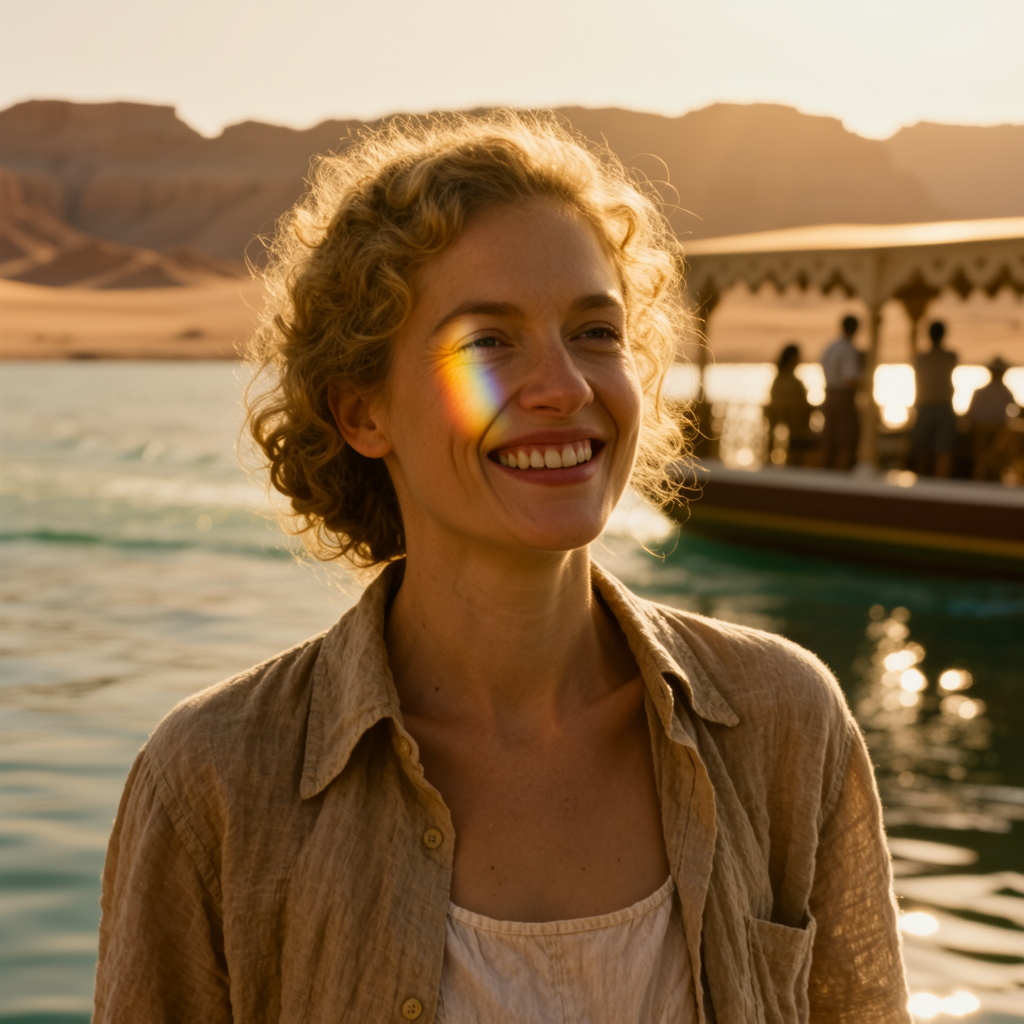
Use a portrait, product shot, scene frame, or concept image as the visual source.
13 words · image-led draft
Generate
Motion plan
Draft
Source locked
Soft motion
Camera reveal
Upload-led workflow
Kling AI image to video is an upload-first workflow for turning still visuals into short video drafts. Instead of starting from words alone, the user begins with a source image: a portrait, product shot, environment frame, or concept visual. That makes it a better fit when the subject, composition, style, or brand look already exists and needs motion.
When the look already exists in a still image, image to video keeps the workflow tied to that subject, composition, and style.
Product shots, profile photos, campaign stills, and character references often need motion without rebuilding the entire scene from text.
Creators can test camera direction, parallax, gestures, and atmosphere while preserving the source frame as the visual anchor.
Start with a portrait, product image, scene still, or concept frame and build motion around that source.
Add guidance for camera movement, subject motion, atmosphere, pacing, and reveal moments so the output feels directed.
Keep the main subject, composition, lighting, and visual style closer to the uploaded still while adding movement.
Use it for product teasers, portrait motion, ad mockups, social clips, and scene tests that start from an existing image.
Step 1
Choose a portrait, product shot, scene frame, or concept image with a clear visual direction.
Step 2
Describe the movement, camera behavior, pacing, atmosphere, and details that should come alive.
Step 3
Check whether the motion supports the source image, then refine prompts for a cleaner short video draft.
Start with an upload-led workflow on this page, then route qualified users to the approved next-step destination once the final handoff URL is defined.
Try Kling AI Image to Video